Emotionally loaded purchasing
Project Details
Industry
Automotive
Service
Product Design
Role
Snr Product Designer
When
2025
Note:
This case study has been adapted to respect client confidentiality. Brand names, visuals, and specific product details have been removed or simplified.
Emotionally loaded purchasing
Buying a car is a high-stakes, high-pressure decision, shaped by cost, complexity, and the fear of getting it wrong. Introducing new technology only adds another layer of uncertainty. I designed and tested early-stage digital concepts to explore how interactive, scenario-based experiences could improve understanding and confidence. The research highlighted a clear preference for more engaging, insight-led tools to support better decisions.

How far can I really go? Where do I charge... and what happens if I get it wrong?
Switching to an electric vehicle can feel like stepping into the unknown. For drivers used to petrol vehicles, the shift raises practical concerns - how far can I really go, where do I charge, and what happens if I get it wrong? Even with growing awareness of EV benefits, uncertainty remains a barrier to confidence and adoption.

Assessing competitor experiences to identify gaps in usability and decision support
Conducted a structured landscape review across in-category and out-of-category experiences to identify how complex information is communicated and understood by users. Analysed competitor tools to assess usability, clarity & usefulness of inputs, content support, and decision-making pathways, alongside adjacent digital experiences that reframe complex questions into simpler, more intuitive interactions. Synthesised findings to establish key design principles, including the importance of simplicity, progressive disclosure, clear calls-to-action, and contextually relevant content. Identified opportunities to shift from feature-heavy interfaces toward scenario-based, user-centred experiences that better align with real-world decision-making needs. Translated these insights into early-stage concepts and prototypes in Figma.
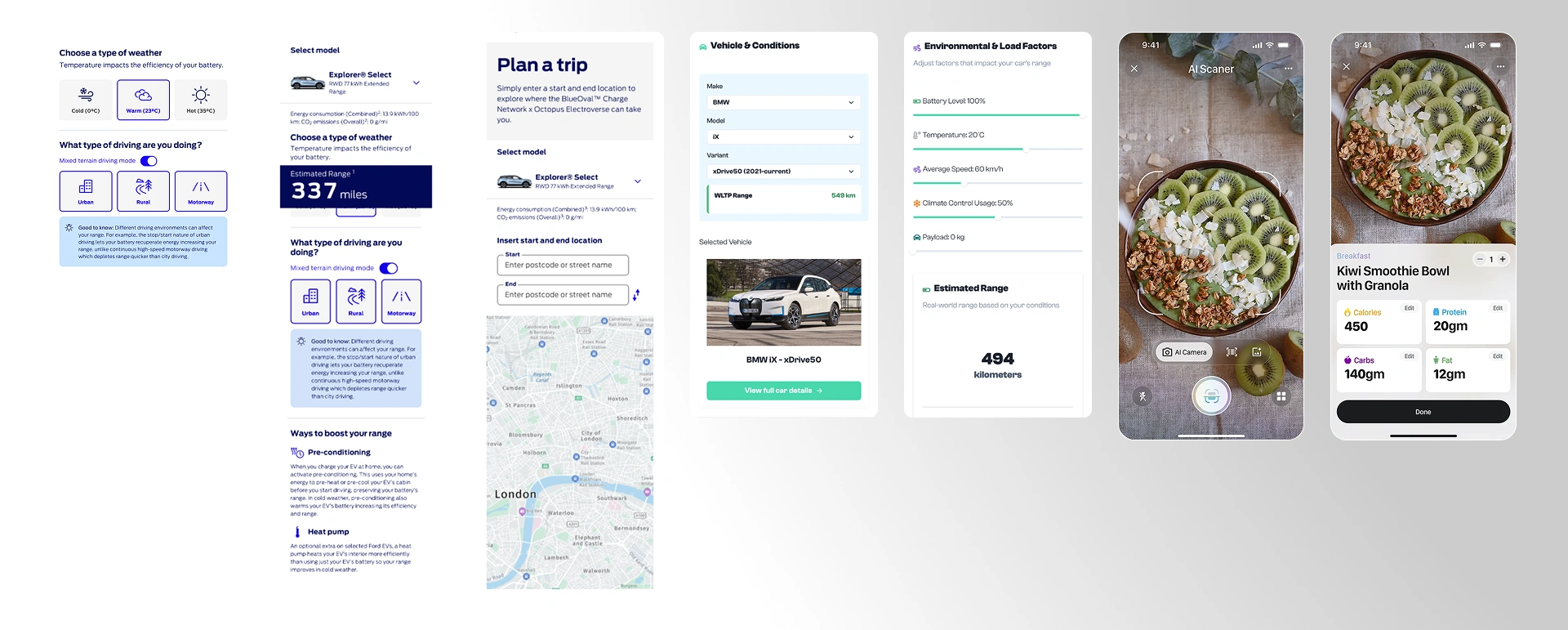
From tool to trusted driver companion
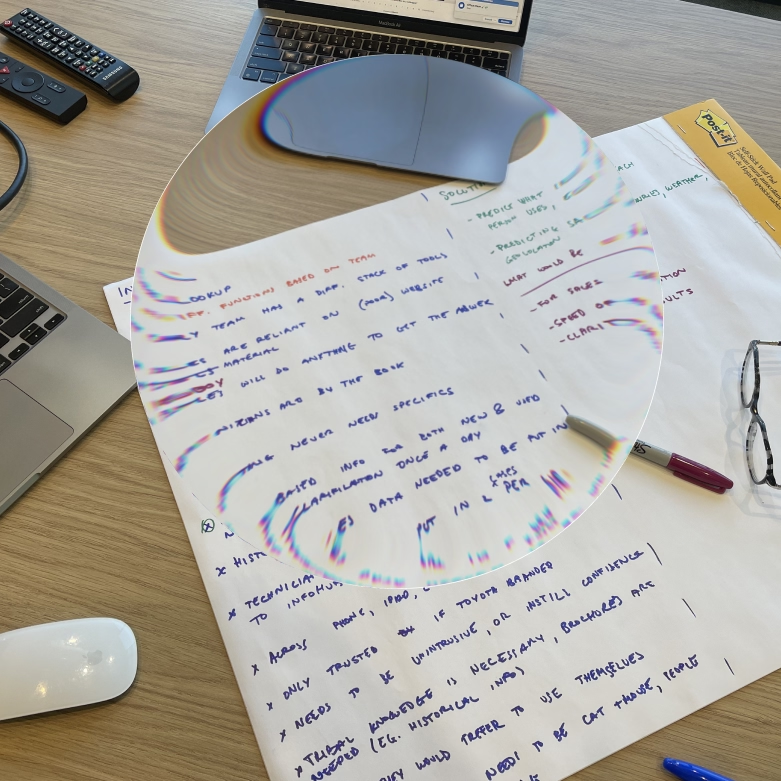
To understand how users perceive and engage with early-stage concepts, I designed a structured unmoderated study combining behavioural, attitudinal, and comparative methods. The research included 15 participants across Australia, each completing a 30-minute session via UserTesting. The study was staged to capture both baseline understanding and post-interaction impact. Participants shared initial perceptions and confidence levels before engaging with each concept, allowing assessment of usability, helpfulness, and changes in clarity and confidence. To deepen insights, I incorporated a card-sorting activity to identify which variables users prioritise, and a final comparison to understand preferences and reasoning. This approach provided a clear view of user needs, behaviours, and opportunities for improvement.
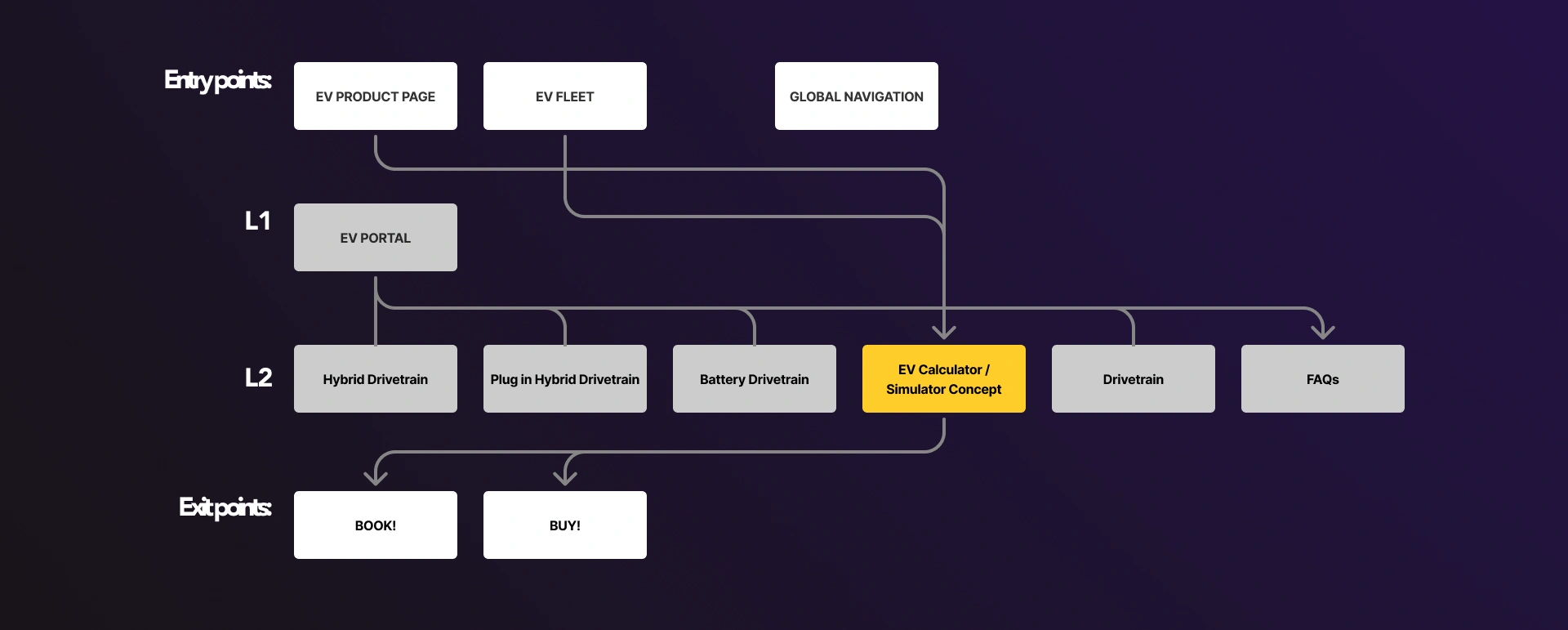
%20(1).svg)